Insights
Blog on UX, design thinking, and workshops. (RSS feed)
Categories:
Information architecture works at different scales
To evaluate an information architecture, first identify at what scale it operates. Information architecture generally applies to one of five scales: The organization, The platform, The site, The interface, or The interaction. At each scale, information architecture operates with different constraints. Each scale changes at different rates, and each scale operates within a different design context. Scale gives us a way to classify the type of information architecture, so we know what we can compare.
A good language for critique
A language of critique describes information architecture without judging information architecture.
Talking about Information Architecture — Jesse James Garrett and the 2009 IA Summit Plenary
A first-person account of Jesse James Garret’s historically significant 2009 IA Summit closing plenary where he declared “there is no such thing as an information architect”, and a look at his argument about the need for a language for discussing information architecture.
Information scent makes both broad and deep information hierarchies work
Both breadth and depth impact how well users can navigate, however information scent, berrypicking, and visual hierarchy—how people interact with your hierarchy—impact the usability of your hierarchies just as much, if not more.
How information architecture and content strategy must work together
Fail to collaborate on content inventories, content models, or block diagrams, and you will deliver disjointed experiences for users, and difficult to manage sites for content authors.
What User Mental Models Are and Why They Should Drive Your IA
Mental models represent how users think about something. Information architecture crafts mental models that help teams design products and services that work the way your users expect.
Why your website's organization makes sense to you but confuses everyone else
How you think about the stuff in your site isn’t how your users think about the stuff. If you want your site to work for your users, you have to design a site that reflects how they think.

(More) tips for writing well
Sixteen tips for writing well when writing about design learned from the trenchant trenches at Boxes and Arrows.


Building trust - Austin joins the Skilled By Design podcast
In this podcast, Austin joins Tommy Bay to discuss the skill of building trust with both workshop participants as well as clients and stakeholders.

The new wave of information architecture
We need information architects again. We need them to design and affect new information environments, at different scales as organizations evolve into new, interaction-centric information environments. We need new information architectures. We need them everywhere. We need them now.

‘Hope’ wakes: Turning UX from profession to movement
If UX is a movement, then every interaction leave a little bit of UX's holistic viewpoint and compassion behind leaves some of UX's hope in your wake.

How do Jobs to Be Done, UX, and Product Management work together?
A big milkshake straw reveals how UX and Product Management work together and why Jobs to Be Done are so critical.
Information architecture for findability vs. content management
The balance between the org’s needs and user needs means you need to organize content by both type and user path, so you can support both users and the org.
UX clients from hell
UX isn't about answers. It's about the right questions. When someone suggests you're an impostor, look for the right question.

UX Principles for the Design Age
In the Design Age where teams create products faster than they can think, it's the team adopt new ways of working.
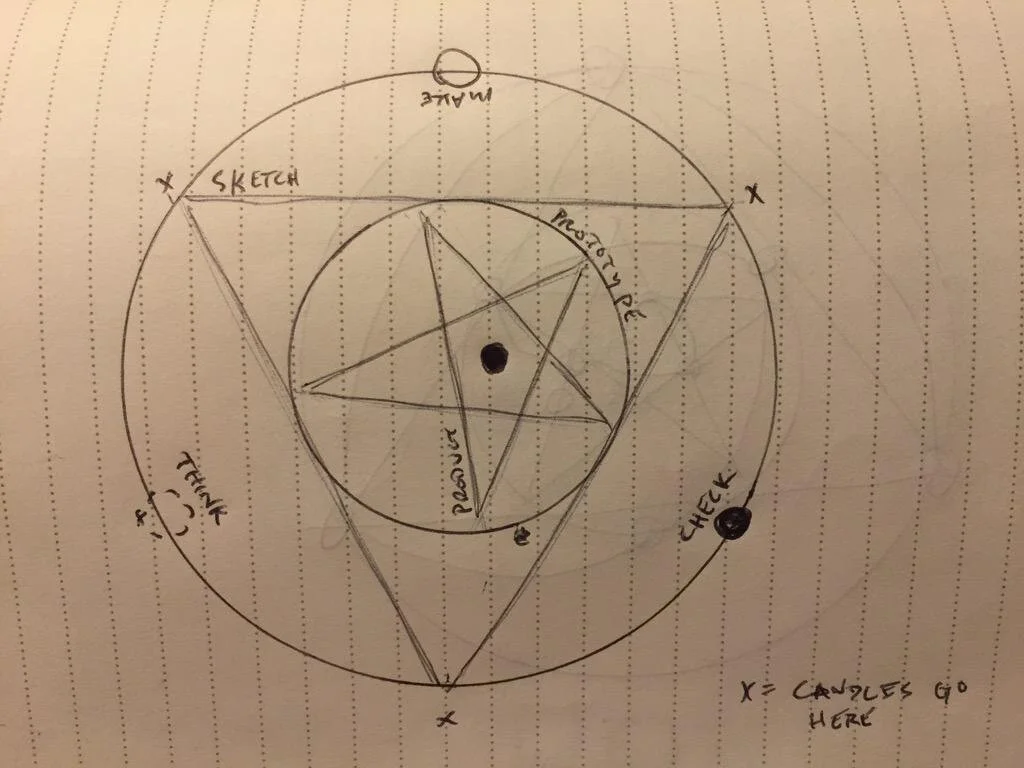
The horror that lurks within the Internet of Things
That the Internet of Things, a thousand enchanted objects, would unleash a thousand tiny horrors isn't so far-fetched.
Understanding taxonomy
Andy Fitzgerald's presentation, "Taxonomy for App Makers", doubles as a solid exploration into taxonomy as a concept. The presentation audio has been synched with the slides.